





Kitchen Finishes: How to Coordinate Hardware, Taps, and Fixtures
Kitchen finishes — the surface treatments on faucets, hardware, lighting, and electrical fittings — are what hold a kitchen together visually. Get the relationships between them right and the room reads as composed; get them wrong and the design feels unfinished, no matter how good the cabinetry is.


Should every finish in a kitchen match?
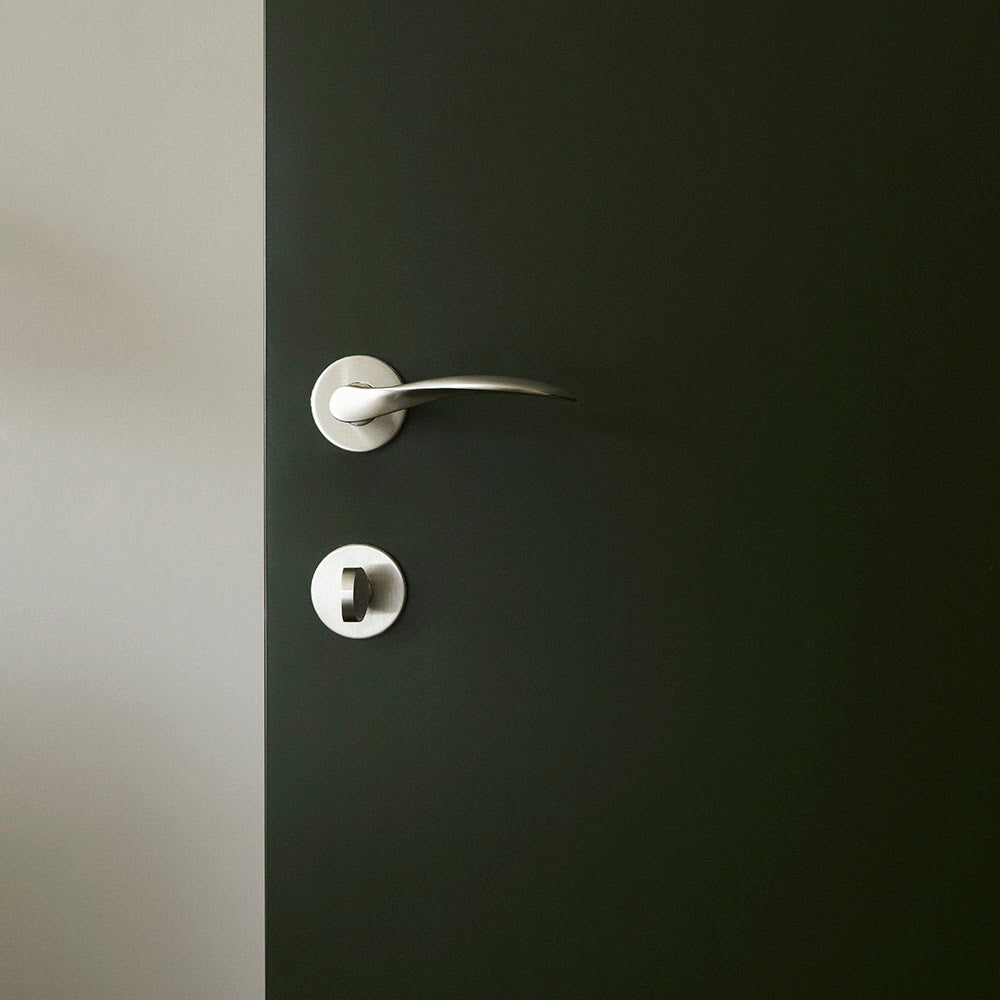
No — and they probably shouldn't. Matching every finish to the same exact tone tends to flatten a room. The goal is coherence, not uniformity: finishes that share an undertone and a level of polish, even when they aren't the same metal. Brushed nickel hardware sits comfortably alongside a stainless faucet because both are cool, both are matte. Unlacquered brass with polished chrome will fight unless one is clearly the supporting element.
How do I pick a base finish for a kitchen?
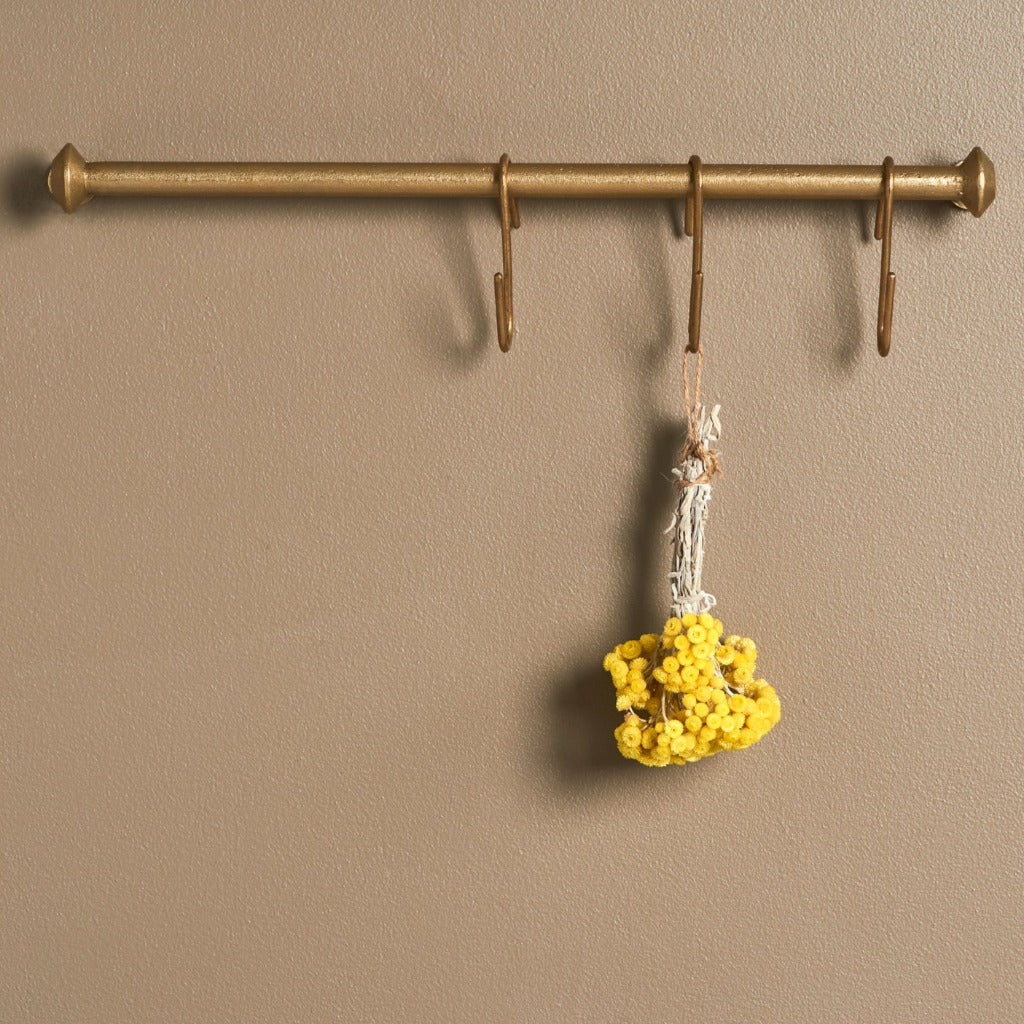
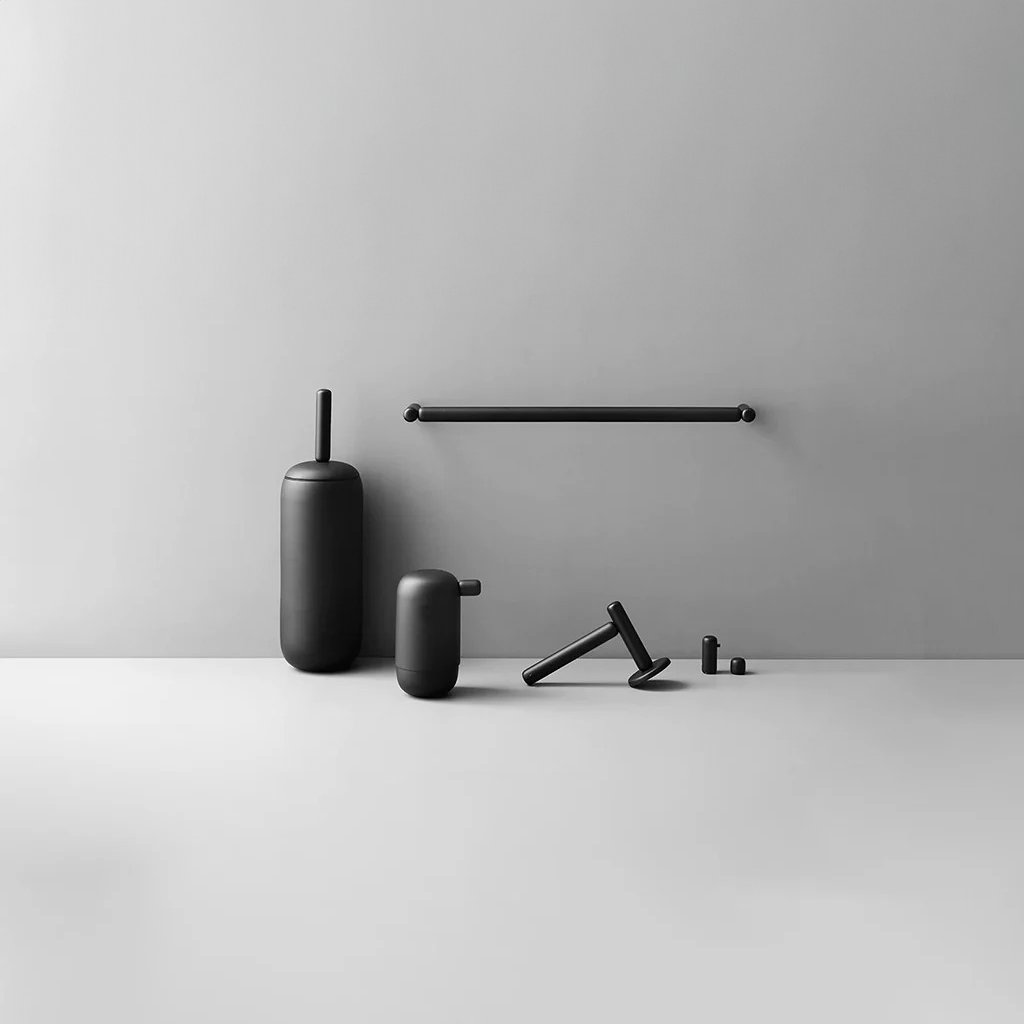
Start with the largest fixtures — usually the faucet and the appliances — and let everything else respond to them. Stainless and brushed nickel read cool. Unlacquered brass, antique bronze, and copper read warm. Matte black is neutral but has more visual weight than people expect, and benefits from being repeated in two or three places rather than used once as an accent.
Once the base tone is set, hardware, lighting, and electrical fittings can layer in. They don't have to match the base, but they should belong to the same family — a warm kitchen tolerates a brushed brass switch plate; a cool one calls for polished nickel.
Matching doesn't mean identical. Finishes need to share an undertone — warm with warm, cool with cool — not a manufacturer.
Can I mix metals?
Yes, and most considered kitchens do. The rule that prevents mixing from going wrong is consistency of undertone. Two warm metals — say, brass and copper — sit well together because they read as related. Two cool metals do the same. Mixing across temperature is harder but possible when one finish is clearly dominant and the other is a single accent — a brass faucet against polished nickel cabinet pulls works; the same finishes split fifty-fifty across a kitchen tends not to.
Why does the same finish look different in different rooms?
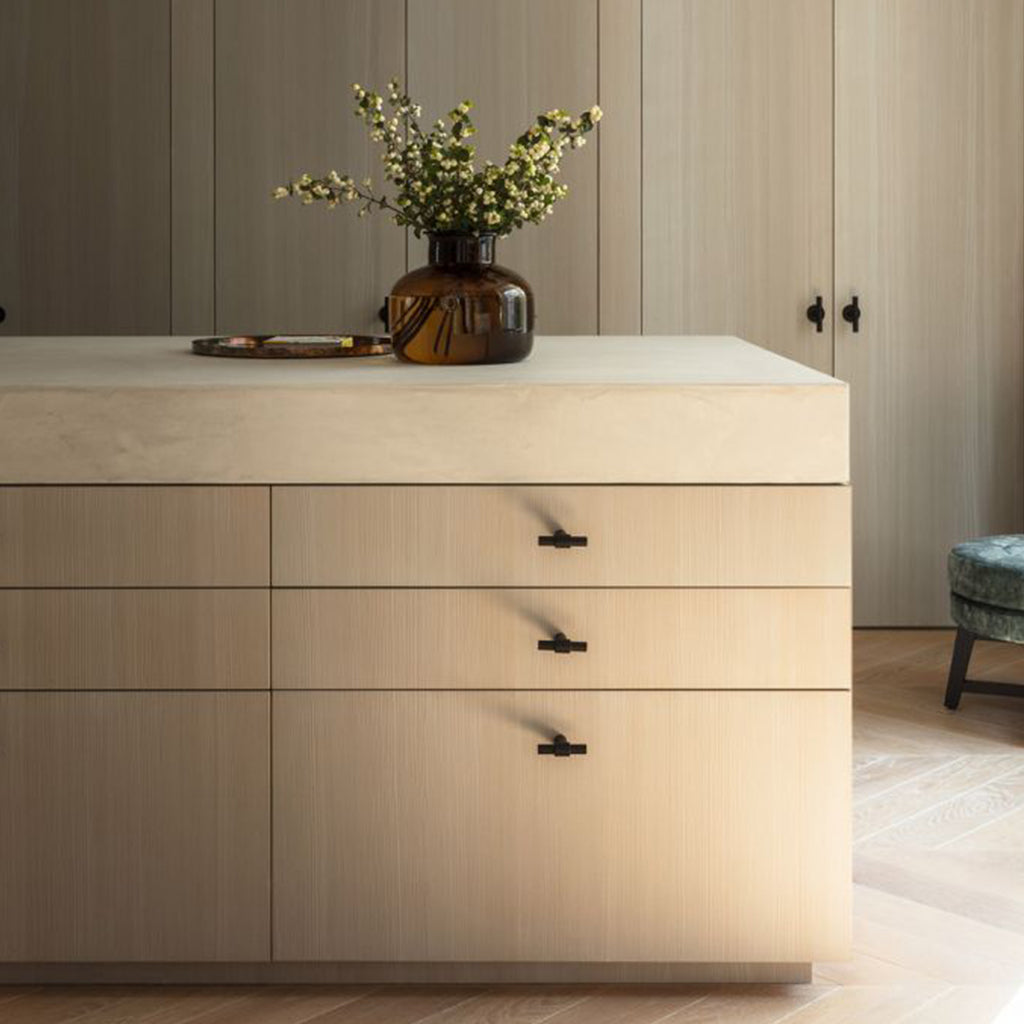
Light. The same brushed nickel pull will read warmer in a kitchen with south-facing windows than in one lit by overhead LEDs at 4000K. North-facing rooms cool everything down. Adjacent surfaces also matter — a brass pull on a creamy oak cabinet looks completely different against a dark-stained walnut, even when the brass itself is identical.
This is why matching finishes from different suppliers usually works in practice, even when they don't match perfectly to the eye. Spaced apart, with different lighting and different backgrounds, small variations disappear.

How do I see how a finish will read before committing?
Order finish samples and view them in the actual space, under the actual lighting, against the materials they'll sit alongside. Photographs and screen colours are unreliable — almost every finish renders differently in person. Bring samples home, put them on the cabinet they'll be installed on, and look at them at different times of day. We sell finish samples for this reason; they're the easiest way to avoid an expensive mismatch.
Browse the full hardware collection to see the range of finishes available.
Leave a comment